Growing up, I had a near-debilitating fear of bees. If you don’t believe me, ask my parents or siblings. The fear came from knowing that bees had the potential to do me harm, and having never been stung as a child, I equated that outcome with being run through with a sword. I avoided them at all costs, which meant that I spent many a family picnic eating alone in the car. For years, I bragged about the fact that my caution had prevented me from being stung, only to have my record broken when, in my 37th year, I was stung twice on the same day (spoiler alert: it’s nothing like being run through with a sword).
My fear of bees seemed to wane with time, perhaps because of being stung more times than I will admit, but also, I have come to appreciate the importance of bees to everything from our ecosystem to our food supply. You could make the case that the bees are the rock stars of our natural world. Here are some interesting facts about bees:
- Bees have a sense of smell 50 times that of a dog.
- Bees have a magnetic personality. Literally! Their bodies are electrically charged, allowing grains of pollen to leap off the flowers and stick to them.
- Bees work hard. Like, REALLY hard. It takes nectar from 2 million flowers to produce one pound of honey. It’s no wonder they don’t sleep. And they don’t.
- Bees have broken the glass ceiling. Not only is the highest-ranking bee in the hive a female, but so are all the worker bees. It’s the women who get things done! The drones, on the other hand, the male bees, only have one job, that is to mate with the queen (enough said about that).
- Bees have dirty feet. On every flower they visit, they leave behind a footprint that allows other bees to know the flower has been tapped for its nectar.
All those facts are cool and interesting, but they pale in comparison to this incredible one… bees are responsible for 35% of the food we eat. That is across the globe!! AND, they are responsible for 75% of our crops. Our food requires pollinators to allow it to grow, and no one pollinates like the simple bee.
All of this is to say that our bees are important. Without them, we would face local and global food shortages that would threaten the lives of millions of people. Alarmingly, the bee population is shrinking. For example, 45% of Europe’s bumblebees have disappeared over the past 35 years. There have also been declines in North America’s bee population. The reasons for the decline: pesticide use, habitat loss, disease and climate change.
Our faith always charges us with being good stewards of our environment. In the Genesis creation story, God said to the first humans, “tend my garden”. Our bees need all of us to take this invitation seriously.
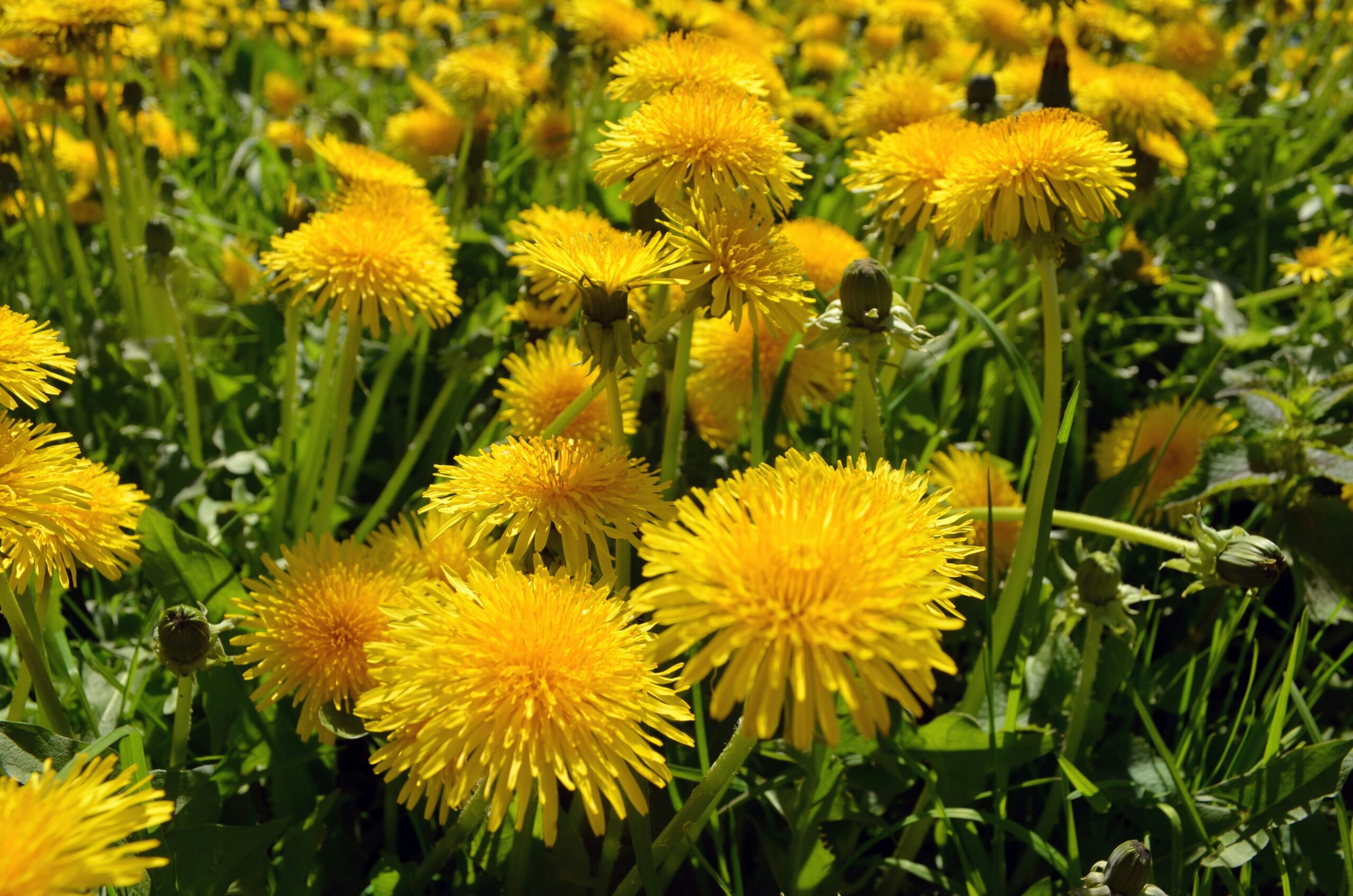
What can we do? It could be as simple as letting our dandelions grow. Bees love a good dandelion, even if your neighbour doesn’t. He or she will get over it, and our bees will thank you.