Last Saturday of the long weekend, I found myself in Zehrs. I had to buy grapes. Only grapes. Momentarily forgetting that it was Thanksgiving Saturday, I wondered why there were so many people waiting in line at the cash register, and why so many carts included turkeys! I didn’t need grapes, and I thought about putting them back and going home, but I really, REALLY wanted them. So, I took my place in line behind several other shoppers, several other turkeys, and settled in for a long wait.
Standing in line at a grocery store is an exercise in patience. Standing in line at a grocery store with a bag of grapes is also an act of restraint. To keep myself from breaking the eighth commandment and popping a couple of grapes in my mouth, I tried to think of something to distract myself. I remembered once reading something that a Greek philosopher had said about both patience and grapes. I couldn’t remember the quote, but I had nothing but time on my hands, so I looked it up.
The philosopher was Epictetus, and he was quoted as saying, “no great thing is created suddenly, any more than a bunch of grapes. If you tell me you desire a grape, I answer you that there must be time. Let it first blossom, then bear fruit, then ripen.”
It’s a good thought. As I shuffled another step closer to the register I was now thinking about time (and still grapes, but mainly time!).
We are all, as human beings, time-bound creatures. Time defines the length of our days, the length of our years, the length of our lives. From the moment we awaken to the moment we fall asleep, we have one eye on our watch, or whatever gadget or device we use to tell time. Time can get away from us, but rarely are we unaware of it.
Most of us live every day as if we are trying to master time. We want to make sure we have enough of it to do what we want to do. We can organize our time, but we are fooling ourselves if we believe that we can manipulate it or speed it up or slow it down to suit our needs. The truth is that we cannot master time any more than we can direct the wind or shift the waves. Time will carry on at its own pace, oblivious to us trying our best to stretch it out or speed it up. Time doesn’t challenge us to judge it or contest it, but it does invite us to trust it.
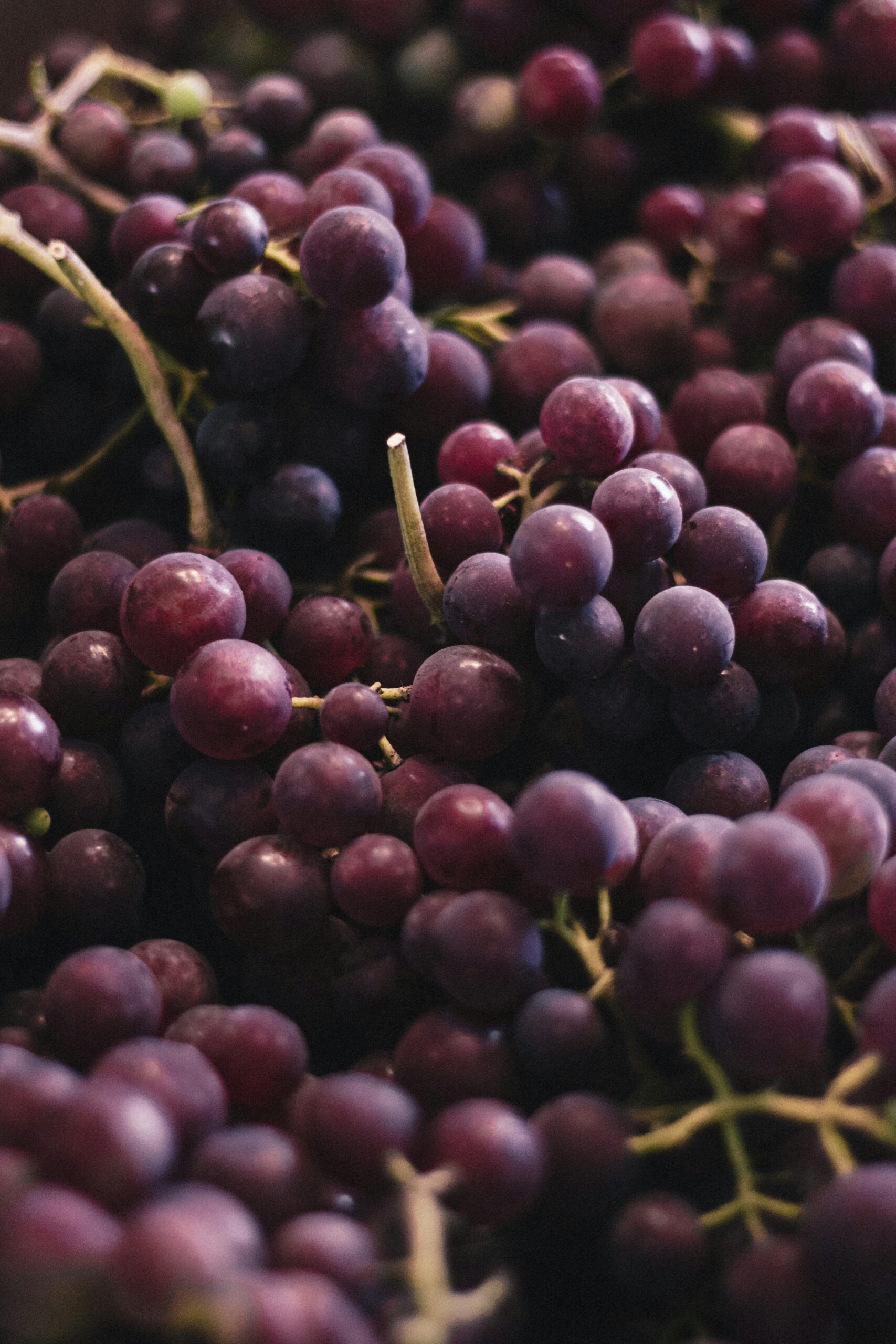
I took another step closer to the cash register and looked into my bag of grapes and thought about Epictetus’ quotes. He’s right. The grapes didn’t appear to me fully formed, generated from a factory. They are the product of time, which gave them the allotted space that they needed to grow into their fullness. Had the grapes been picked early, they would have been stunted, sour and unappealing. Instead, time knew what it was doing.
Time is moving us along. At a pace that it sees fit. We want to hurry it, or slow it down, but it only wants us to trust it. Time has been gently stewarding humanity forever, whether we know it or not. It has not only its own pace, but its own wisdom. It will determine how long growth or healing may take. It may be preparing us for a new chapter, or an opportunity, but may need us to stay on the vine a little longer to make sure we are ripe and ready.
The Good Book says, “to everything there is a time and a season… God has made everything perfect for its time (Ecclesiastes 3).” If your time and season isn’t today, maybe it’s tomorrow, or six months from now or a year down the road. As Epictetus reminds us, some things take patience. Some things take perspective. Some things take, well, time. We can’t rush it, but we can honour it by waiting well.
I didn’t even make it from the register to the car before eating that first grape. It was perfect. Thank you, time!!